Structural Engineer in Atlanta, GA for Residential Homes
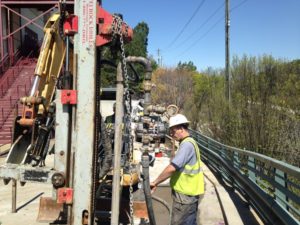
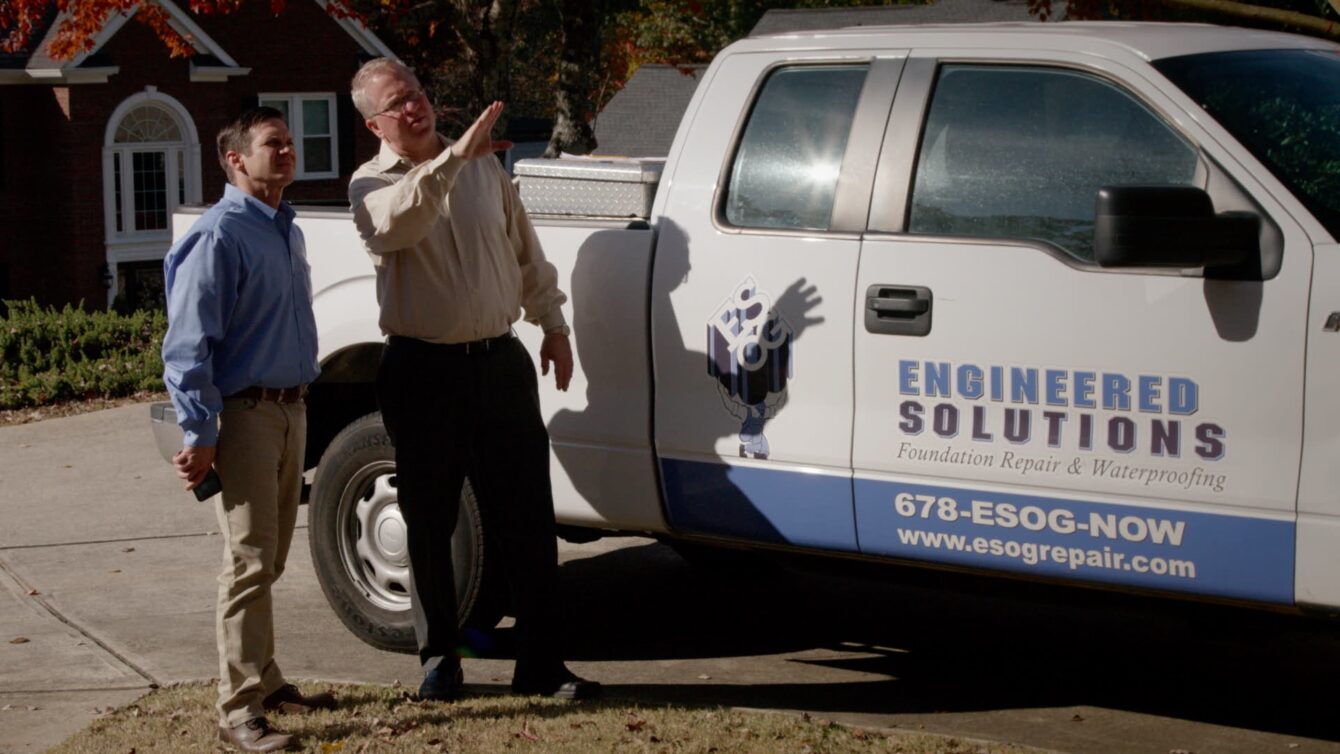
A structural engineer is a licensed professional trained to judge whether a building is sound: how load moves through it, where it is failing, and what it will take to fix. Engineered Solutions of Georgia keeps these engineers on staff, which is uncommon among foundation and geotechnical companies in metro Atlanta. We have worked on homes across the area since 2006. Whether you need a full repair plan or a straight answer on what your house needs, it starts with a free estimate at your home.
When You Need a Structural Engineer
Some foundation problems are clear enough to act on, and others need a trained eye before you know what you are dealing with. Cracks stepping up a brick wall, a floor that slopes toward one corner, a door that has pulled out of square, a foundation that has begun to settle. A licensed structural engineer can tell you whether what you are seeing is cosmetic or structural, and put that finding in a written evaluation you can hold onto.
Buying or selling a home is another point where an engineer’s evaluation matters. When the foundation raises questions, a written report from a licensed engineer gives a lender or a buyer an answer they will accept. Large projects call for one too. Adding a second story or an addition puts new load on the existing foundation, and an engineer determines what it can carry and what has to be reinforced before the work begins.
If another company has already handed you a large foundation estimate, a licensed engineer can review the scope and confirm whether it fits what the house needs.
What Atlanta’s Soil Does to a Foundation
Metro Atlanta sits on the dense red clay of the Piedmont, and that clay is behind most of the foundation trouble in the region. When it rains, the clay takes on water and swells, gaining more than ten percent in volume and pushing against foundation walls from the side. A dry Georgia summer reverses it. The clay shrinks back and leaves those walls without the support they had in spring. The mature hardwoods shading so many Atlanta streets make the swing sharper, their roots pulling moisture from the soil several feet down in a drought. Over a single year, one foundation can ride that movement up and back.
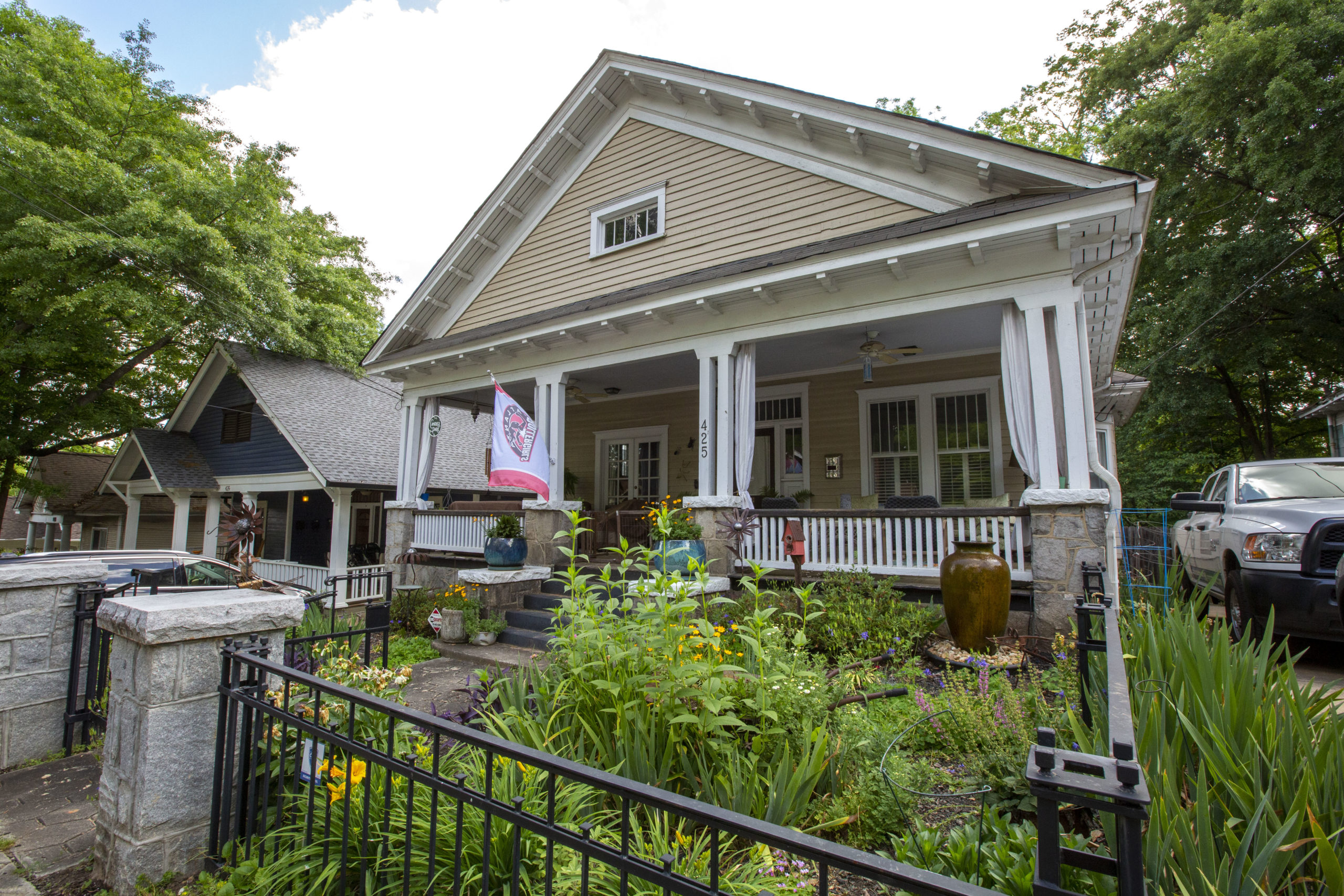
How a house shows that movement depends on what holds it up. The craftsman bungalows of the early-1900s intown neighborhoods like Grant Park and Inman Park mostly sit on crawl spaces and pier-and-beam framing, and they rack and sag as the soil moves beneath them. Out in the suburbs, the brick ranches and split-levels of the 1950s through the 1970s often stand over basements. Those walls bear heavy load from the floors above, and they can bow inward under the lateral push of saturated clay. Newer subdivisions farther north tend toward concrete slab, which cracks and tilts as the ground heaves.
Terrain decides how hard the clay works on a given lot. On hilly intown blocks and the sloped subdivisions around Sandy Springs and Brookhaven, rain runs downhill and pools against one side of the foundation. That side swells and shrinks on its own schedule while the rest of the house stays steadier. The uneven movement that follows, differential settlement, is the most damaging pattern the clay produces.
A Structural Engineer and a Repair Crew in the Same Company
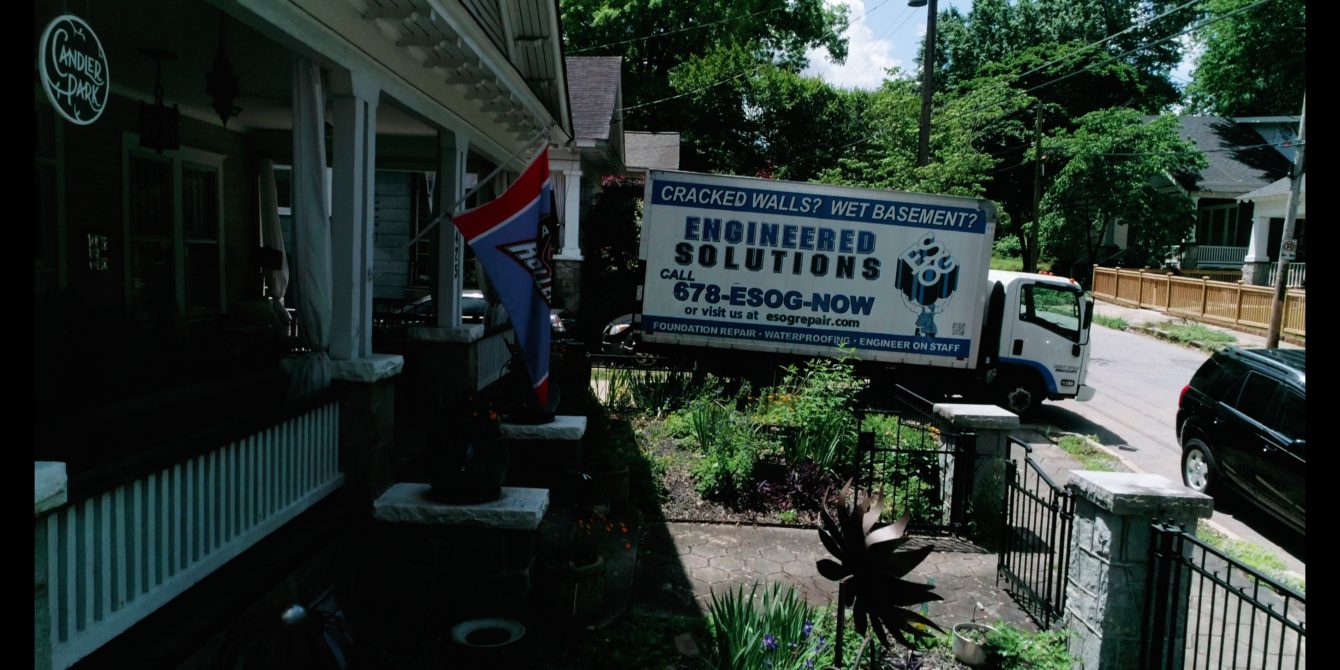
Foundation work often runs through two separate parties. A homeowner hires a repair contractor, and if the job needs an engineer’s stamp or an independent evaluation, that gets handed to an outside firm. ESOG was built the other way. We keep licensed professional engineers on staff and runs its own repair crews, so the diagnosis and the fix come from one company.
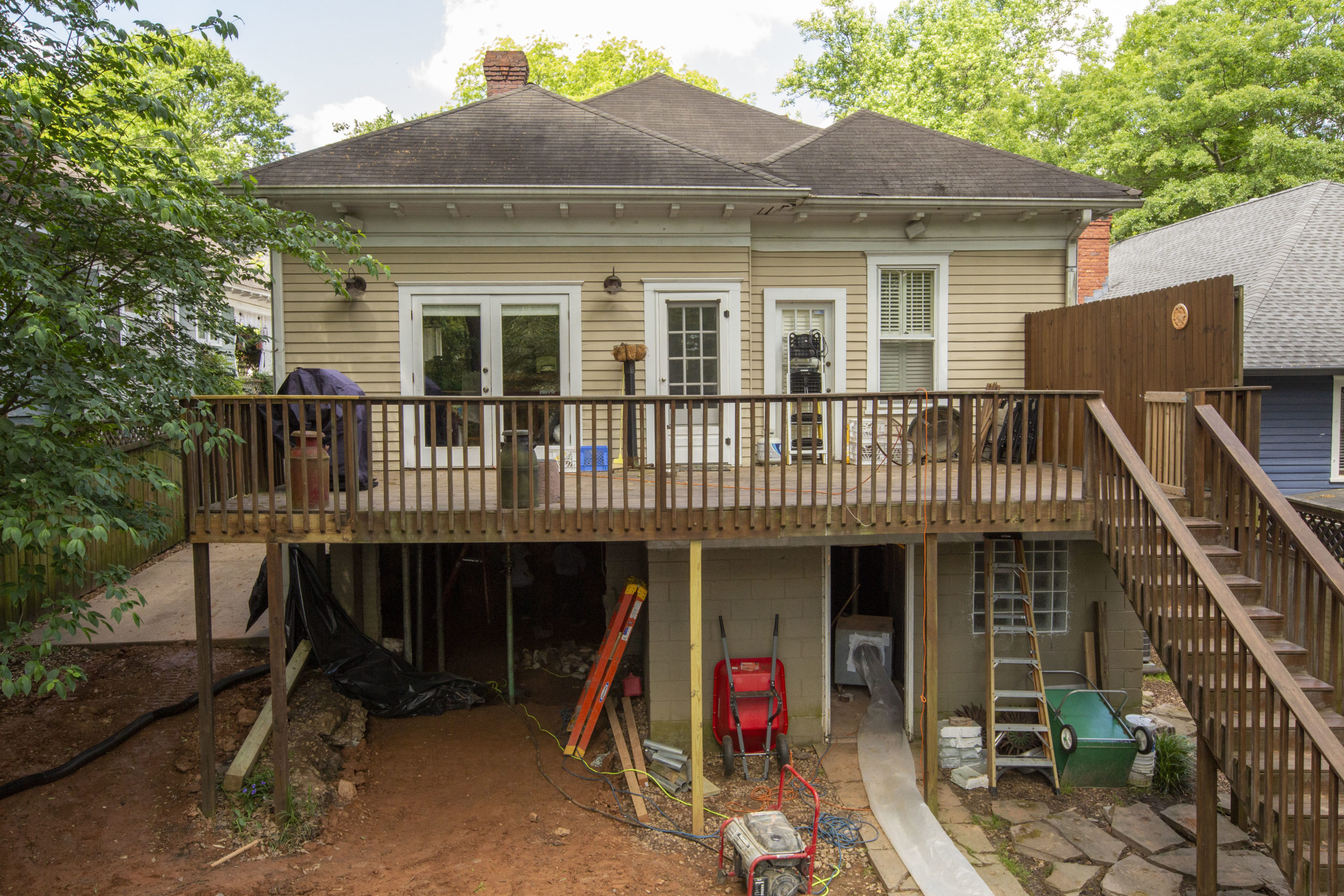
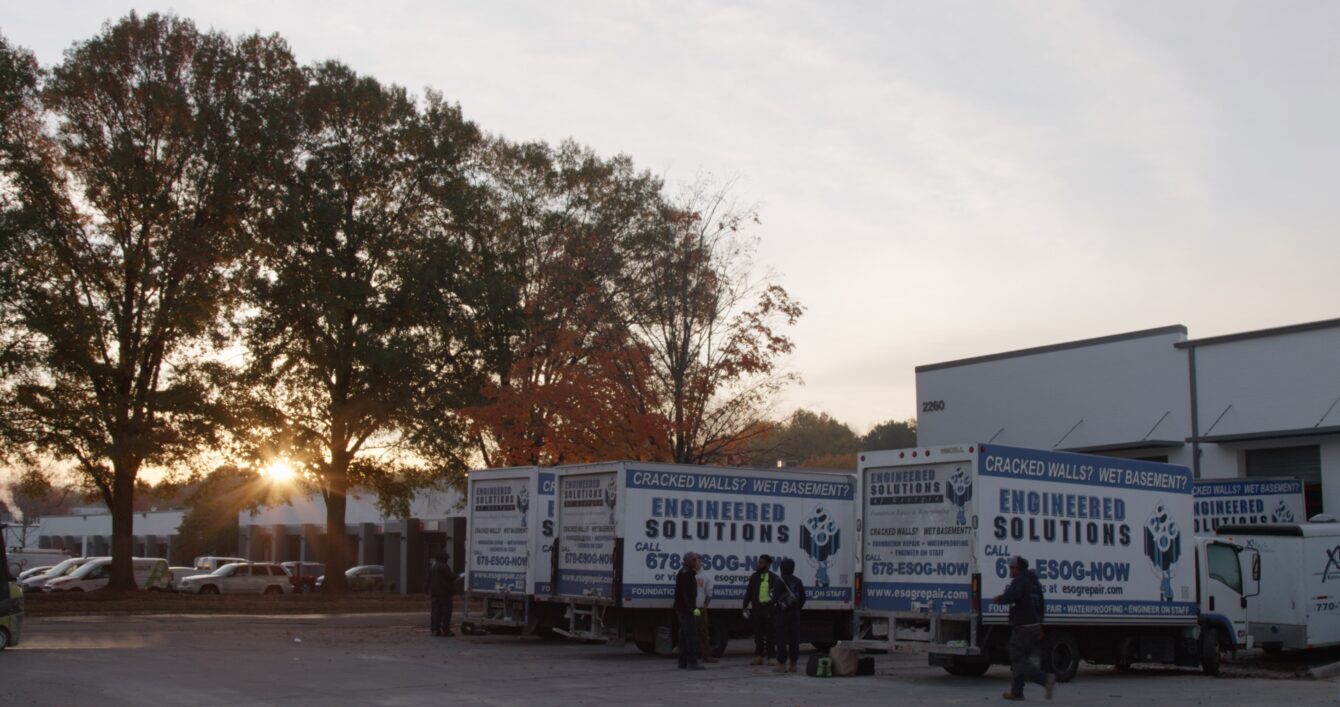
That has been the setup since 2006. From our base in Smyrna, ESOG has put more than 150 combined years of geotechnical and structural experience into homes across the metro. Our field crews are certified in the helical underpinning and wall stabilization systems that correct the kind of clay-driven movement common here.
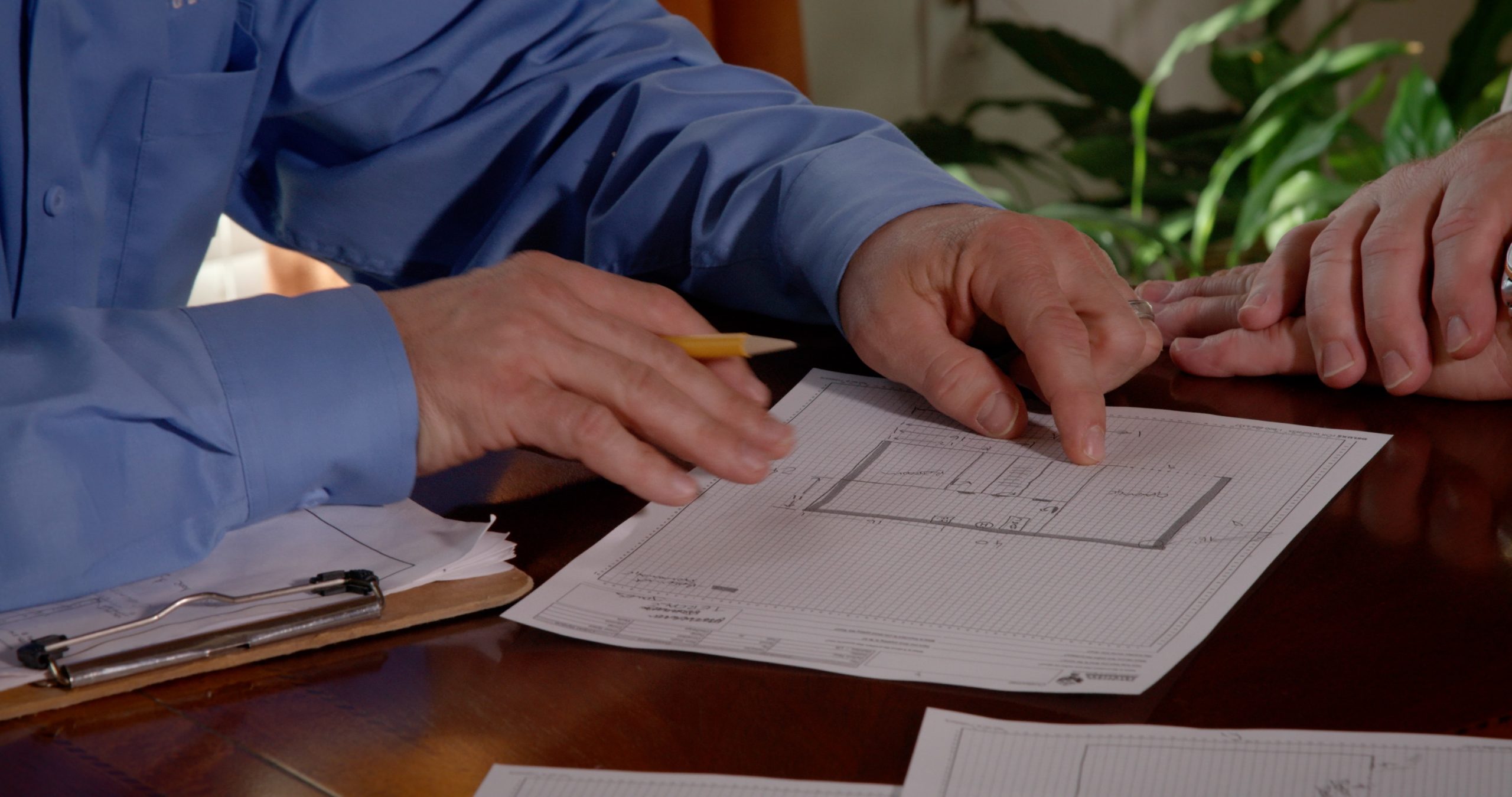
For a homeowner, that shows up as accountability. A licensed engineer evaluates the foundation, puts the finding in writing, and specifies the repair before a crew is scheduled. A settling corner might need piers driven to firmer soil; a bowed wall needs lateral reinforcement. Telling them apart is engineering, and the same company that makes the call also does the work, start to finish.
Schedule a Free Foundation Evaluation in Atlanta
If something in your home has you wondering whether it’s structural, a licensed engineer can give you a straight answer. Reach out to set up a free estimate, and ESOG will evaluate what your foundation is doing and what, if anything, it needs.